What palpitations feel like
Fluttering, pounding, skipped beats or a racing heart. Common triggers include caffeine, alcohol, stress, lack of sleep, dehydration and some medicines.
Get emergency care if palpitations come with
Fainting, chest pain, severe shortness of breath, or signs of stroke.
Atrial fibrillation (AFib)
AFib is an irregular, often fast heartbeat from the upper chambers. Some people feel it; others find out from a pulse check or a smartwatch alert. The main concern is stroke, because blood can pool and clot in the heart.
How it is found
An EKG during symptoms is best. If symptoms come and go, a cardiologist may use a wearable monitor for days or weeks. A smartwatch alert is a reason to see a doctor, not a diagnosis.
Treatment usually covers three things
- Stroke prevention with blood thinners for many people, based on a risk score
- Rate control with medicines to keep the heart from racing
- Rhythm control with medicines, cardioversion, or catheter ablation for some people
Treating sleep apnea, high blood pressure, heavy drinking and weight can reduce AFib episodes.
Sources
Keep reading
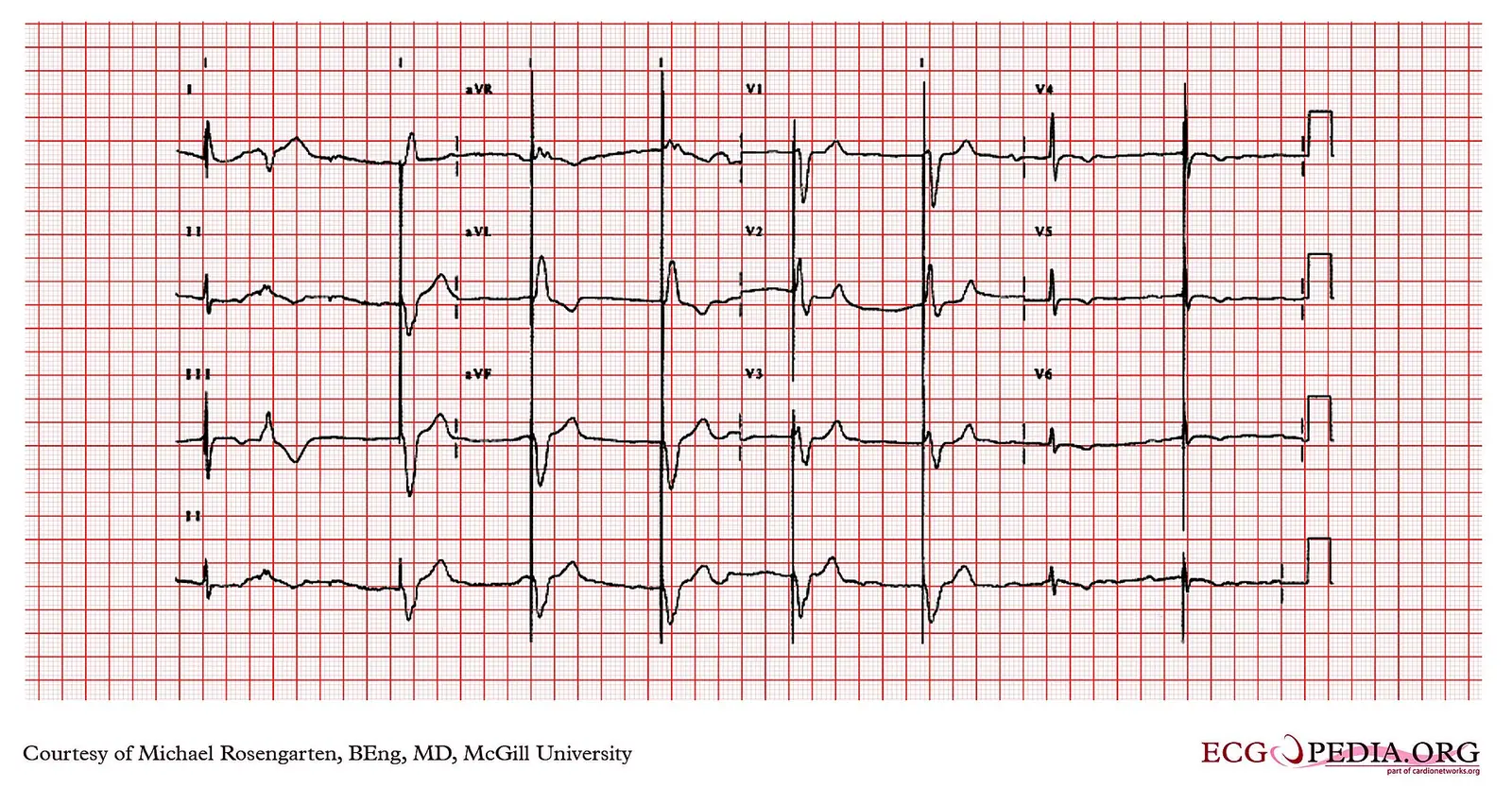
Which kinds of chest pain are an emergency, which need a prompt appointment, and what testing usually involves.
Read more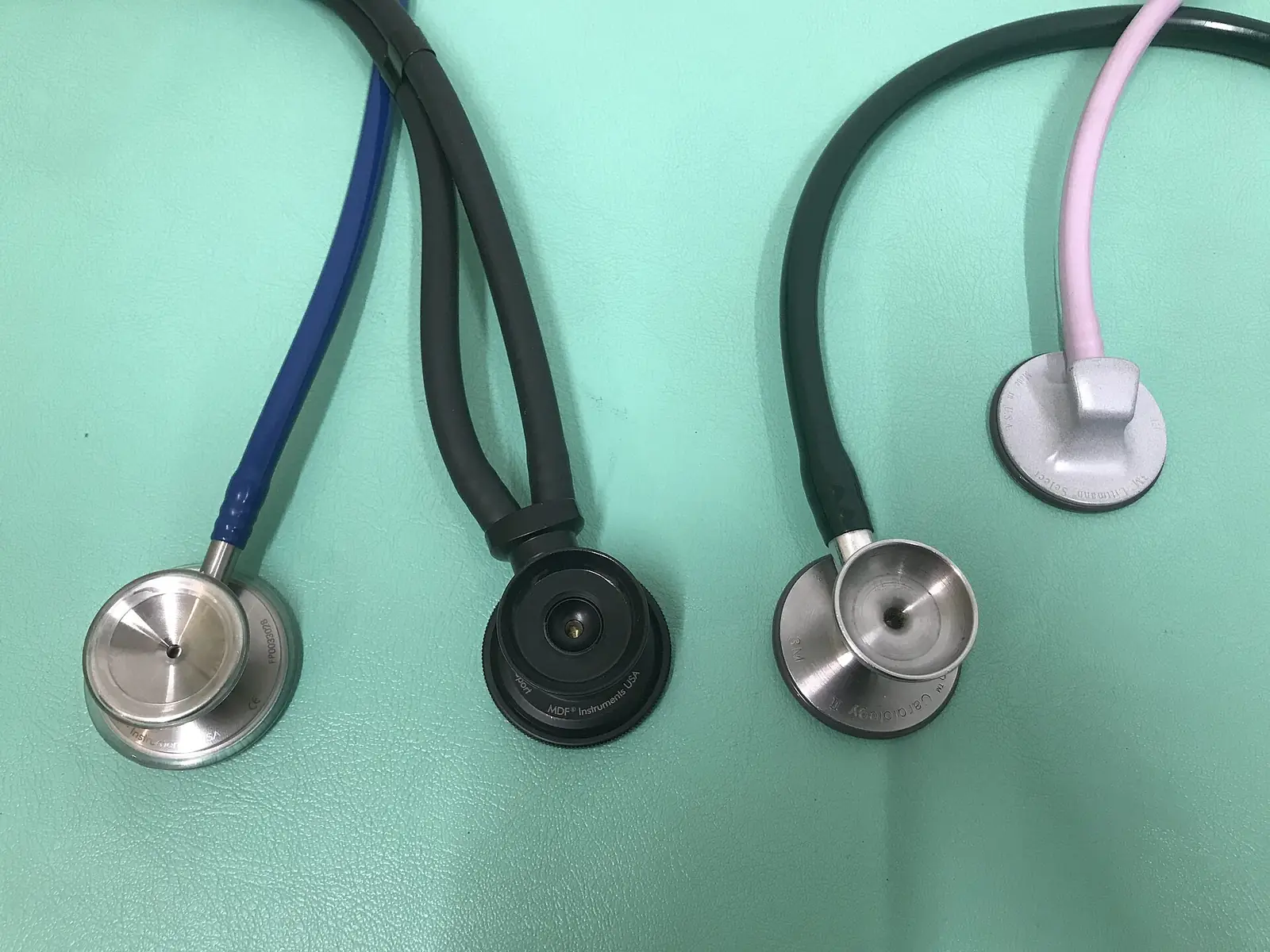
Blood pressure categories, how to measure at home correctly, and when treatment is recommended.
Read more