The common tests
| Test | What it shows | What to expect |
|---|---|---|
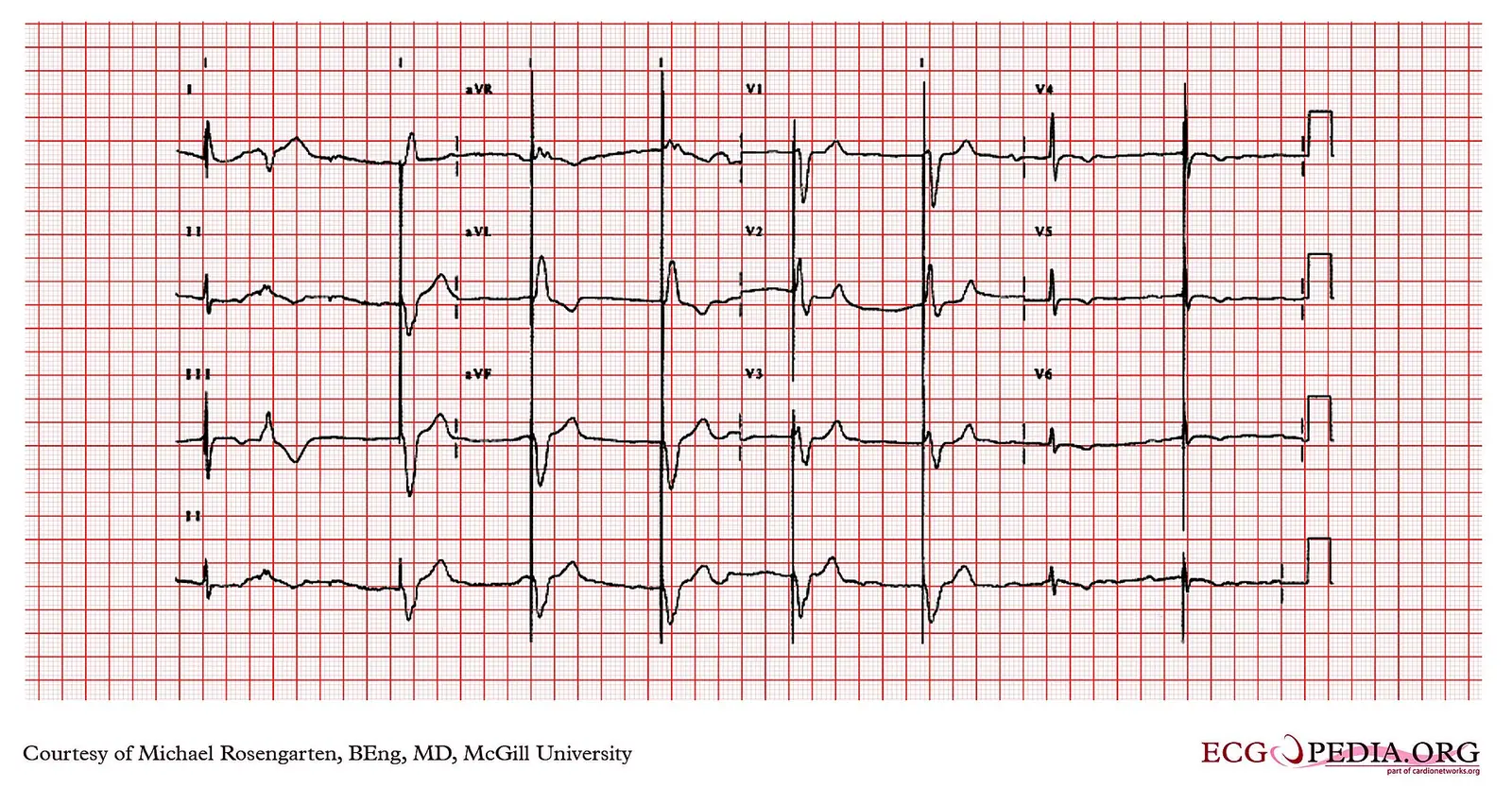
| EKG (ECG) | Heart rhythm and signs of strain or past damage | Stickers on the chest, a few minutes |
| Echocardiogram | Heart size, pumping strength and valves, by ultrasound | Gel and a probe on the chest, 30 to 60 minutes |
| Exercise stress test | How the heart handles exertion | Walking on a treadmill while connected to an EKG |
| Nuclear or echo stress test | Blood flow or wall motion with exercise or medicine | Several hours for nuclear tests |
| Holter or patch monitor | Rhythm over 1 to 14 days or longer | Wear it during normal life and note symptoms |
| Coronary CT angiogram | The heart arteries, using contrast dye | Usually under an hour, with an IV |
How to prepare
- Ask whether to stop any medicines before a stress test, especially beta blockers
- Wear comfortable shoes for treadmill tests
- Avoid caffeine before nuclear stress tests if instructed
- Bring a list of medicines
Costs
Imaging tests often need prior authorization. Ask the office to confirm approval before the test date, and ask whether it will be done in the office or at a hospital, which can change the price.
Sources
Keep reading
Chest pain: when to call 911
Which kinds of chest pain are an emergency, which need a prompt appointment, and what testing usually involves.
Read more
High blood pressure: what the numbers mean
Blood pressure categories, how to measure at home correctly, and when treatment is recommended.
Read more
Palpitations and atrial fibrillation
What palpitations usually mean, how atrial fibrillation is found and treated, and when to get help right away.
Read more